Partnership for a cross-disciplinary approach to the ecology of antimicrobial drug resistance in Kenya

Partnership for a cross-disciplinary approach to the ecology of antimicrobial drug resistance in Kenya

Project Overview

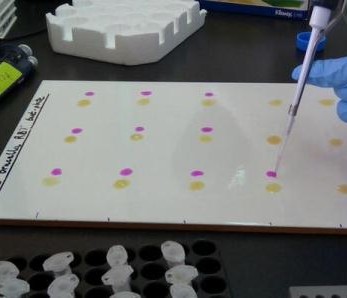
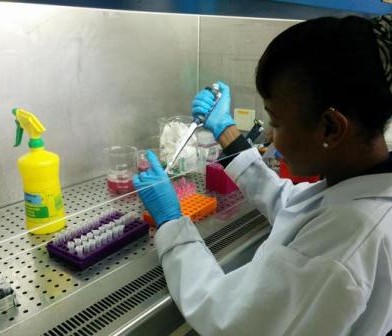
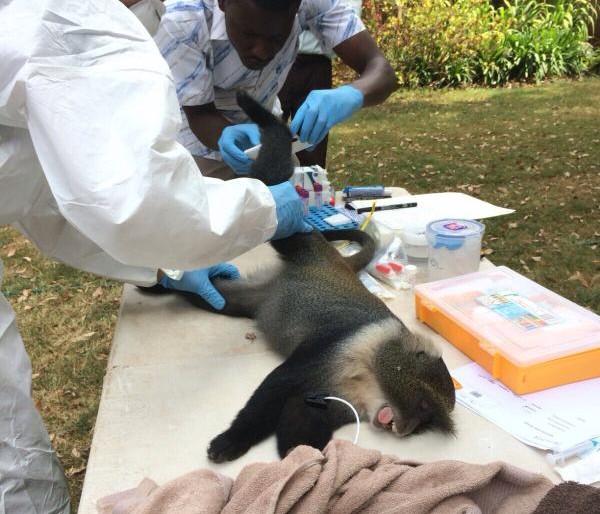
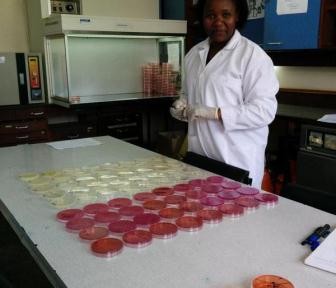
In Kenya and elsewhere, the antibiotic landscape for healthcare and livestock production is shaped by poor regulation and irrational drug use. There is a need for related evidence-based policy and the implementation plans for such policy. Our partnership is conducting in-depth research on antibacterial resistance in clinical and community settings to understand patterns of resistance, transmission of bacteria and their resistance determinants and genome-based studies of resistance evolution. This combines with social and economic approaches to quantify the burden of antibacterial infection, the behavioural aspects of drug prescribing and use and the risks of mixing of bacterial populations between clinical settings, the community and the food systems that link them. Our approach is to build a strong network of antibacterial surveillance to monitor microbial ecology and identify hotspots of selective pressure.

?

The transmission of AMR along the food value chain among people, environment and wildlife.

Red arrows: flow of antibiotics. Blue arrows: transmission of resistant bacteria, rounded arrows symbolize transmission between individuals and cross-contamination. Black arrows: flow of meat (food value chain).

Project work packages

=

Surveillance in healthcare settings

=

Community-based longitudinal monitoring of ABR in livestock producers

=

Microbiological dynamics within the household

=

Microbiology and sequencing, developing robust microbiological and sequence-based approaches to quantifying bacterial diversity and drug sensitivity

=

Human behaviour and decision-making with respect to antibacterial drugs

Twitter handle: @ZoonoticDisease
Our Partners

This will be a partnership involving institutions from the United Kingdom, Kenya and East Africa employing a cross-disciplinary approach to understand the ecology of antimicrobial drug resistance in Kenya. The partners are as enlisted below:

Funding

This work is funded by the UK Cross Council Initiative on Antimicrobial Resistance in a Global Context, a call led by the Medical Research Council and UK Department of Health (https://www.mrc.ac.uk/funding/browse/antimicrobial-resistance-in-a-global-context1/antimicrobial-resistance-in-a-global-context-a-cross-council-call-in-partnership-with-the-department-of-health/).

?

Explore more Flagship Projects

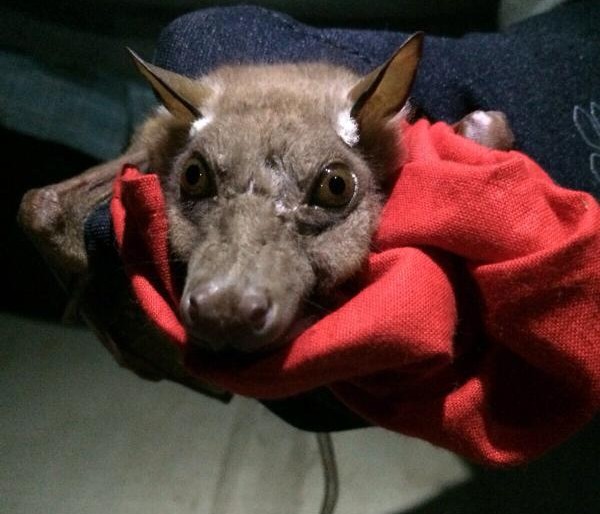
Pathogens and Disease Ecology in Bats

Image credit: Brett Dolsen, Photographer www.brettdolsenphotography.wordpress.com

Project Overview

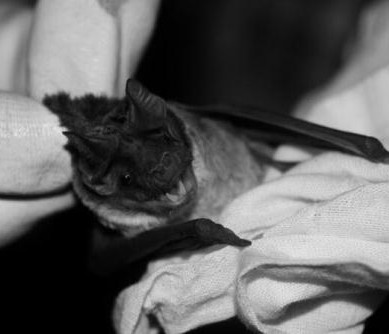
This aim of this project is to examine peri-domestic wildlife, bats and rodents, from around households for known and emerging zoonotic pathogens. Bats and rodents have been implicated in the recent emergence of a number of highly pathogenic organisms such as Nipah and hanta viruses.

This project was run in conjunction with the People, Animal and their Zoonoses (PAZ) project investigating endemic zoonoses in livestock and humans in households in western Kenya. Samples were collected from bats and rodents from randomly selected households, which were visited as part of the PAZ cross-sectional study. Samples are currently being tested for known pathogens and novel pathogens not previously reported in these hosts. Zoonoses that will be screened include haemorrhagic viruses, henipah and lyssa viruses. In addition, tissue samples will be examined for histopathology changes associated with disease in these animals.

The PAZ cross sectional study will provide information on human and animal exposure to zoonotic disease. The additional information regarding disease in peridomestic wildlife will allow a complete “One Health” approach to understanding the epidemiology of zoonotic disease in households in western Kenya.

Part of the urban zoo project is also concerned with bats as components of the peri-domestic fauna of Nairobi.

?

Explore more Flagship Projects

People, Animals and their Zoonoses

Project Overview

This project deals with zoonotic infections amongst livestock and the farmers who keep them.  Zoonotic diseases are infections transmitted between animals and humans; they are a major group of pathogens (approximately 60% of all human-infective organisms), with a diversity of animal hosts including wildlife, pets and domestic animals. Domestic livestock (especially cattle and pigs) are an important source of zoonotic infections to humans, due in part to the close interactions between these agricultural animals and the people who keep them.  While keeping domestic stock is an important source of rural livelihoods in many countries, these animals may also expose the families who keep them to disease risks.  Understanding the interactions between people and their domestic animals, and the transmission of zoonoses between them, is of vital importance in creating the evidence-based disease control policies that are required to protect both human and animal health.

This project addresses a set of hypotheses relating to endemic, neglected zoonoses in livestock and humans in East Africa, and the impact of co-factors (a condition that influences the effects of another condition) on the epidemiology of, and burden imposed by, these diseases. The major objectives are to demonstrate a relationship between co-factors and risk of infection, and to investigate whether interventions aimed at co-factors can affect the risk of infection with the zoonoses.

This epidemiology and public health project involves gaining a comprehensive understanding of the infection history of a large cohort of humans and livestock in a study site in Western Kenya, and is only possible through our excellent collaborations with partners in the region.  Environmental, behavioural and social factors that might contribute to exposure are also being explored, and the project provides the framework for the evaluation of a range of diagnostic tests in this setting.  Using a range of approaches (including mathematical modelling), the findings will be synthesised to devise cost-effective interventions to improve disease control and development policy.

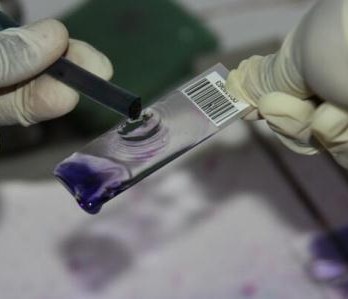
At our study site, we operate a comprehensive community-based sampling programme, sampling in homestead units.  This fieldwork is supported by a full scale diagnostic laboratory facility where we analyse samples of both animal and human origin – we process data collected in the field and process blood and faecal samples from all the participating study subjects; the activity is very much in the spirit of the “One Health” paradigm.  We run a comprehensive range of parasitological and serological tests, the results of which are used to inform clinical treatment.  Our cold chain allows us to prepare material (blood, serum, faeces) for longer term storage and shipment to our central laboratories at the International Livestock Research Institute and Kenya Medical Research Institute, where a second level of diagnostic effort is applied (ELISA testing, PCR), together with genetic analyses of pathogen and livestock samples, and the quantitative analysis of the field and laboratory data generated

Collaborators

Collaborators on this project include the following institutions:

PAZ collaborators logo
Media

Catalyst

The PAZ project, together with other activities at the International Livestock Research Institute, featured on Australian television in March 2011, on the “Catalyst” science programme.  The Catalyst website with the video clip of the programme itself (7mins 49 secs) is embedded below.  Press the “play” button on the video to watch it on-line. Enjoy!

We highlight that the PAZ project depicted in the programme is funded by the Wellcome Trust in the UK, with additional support from the BBSRC and the MRC, and is a project based at the Centre for Immunity, Infection and Evolution at the University of Edinburgh, in collaboration with the International Livestock Research Institute and the Kenya Medical Research Institute, both in Kenya.

ABC Catalyst – Zoonoses

Catalyst on ABC TV: http://www.abc.net.au/catalyst

Producer:  Dr Paul Willis


Funding

This project is principally funded by the Wellcome Trust, with additional support from the BBSRC.

?

Featured Articles

April 16, 2015The International Livestock Research Institute (ILRI), jointly with the University of Edinburgh (UK) and the Kenya Medical Research Institute, with additional support from the Kenyan Department of Veterinary Services, operates a laboratory in the town of Busia, in Western Kenya. It is here that the People, Animals and their Zoonoses (PAZ) project operates a joint human and animal diagnostic laboratory that receives cattle and pig samples from many locations around the Western Kenya region. [...]
April 16, 2015The People, Animals and their Zoonoses (PAZ) project study site, Busia County in western Kenya is a region where the inhabitants are highly dependent on agriculture as their main source of livelihood. There is a very close interaction between livestock and humans making the population in this area highly exposed to a number of neglected zoonotic diseases. [...]
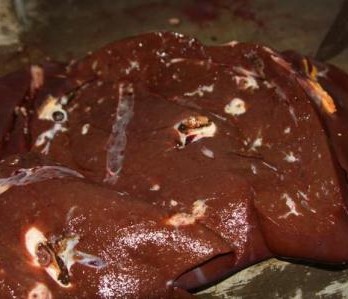
April 16, 2015Fascioliasis is a disease mainly of domestic ruminants (and also affects humans although no human case so far has been reported in Kenya) caused by liver fluke parasites Fasciola gigantica and Fasciola hepatica. Although the former Fasciola species is more common in the tropics and causes serious losses in cattle, sheep and goats and thus posing a major threat to resource poor farmers, Fasciola hepatica has also been reported to occur in high altitude areas of Kenya. In such areas, the two Fasciola species occur side by side. [...]
April 16, 2015Western Kenya is a part of the world with high human and livestock population densities, representative more largely of the whole Lake Victoria Crescent ecosystem. This is a rural area (around 95% of households depend on agriculture as their primary source of livelihoods) where farmers are mixed crop-livestock small-holders – families generally grow crops and keep on average 2.5 head of cattle. [...]
April 16, 2015Drive into a shamba, a Kenyan small-holding, and you can observe first hand the close relationship rural Kenyans hold with their animals: Men ploughing the fields with teams of cattle; women milking cows and goats or using fresh dung to floor their houses; poultry, cats, dogs and children playing together. Pigs, goats and sheep wander in and out of houses, latrines and kitchens, picking at anything remotely edible, all categories of household wastes included. [...]
April 16, 2015This year (2015) the lab will be engaged in a new project to set up an integrated surveillance system that covers both the human and livestock populations in the region. [...]
April 16, 2015Zoonotic diseases are infections transmitted between animals and humans.They are a major group of pathogens, with a wide range of animal hosts. Domestic livestock (especially cattle) are an important source of rural livelihoods, but also a significant group of animal hosts for zoonoses. [...]
March 25, 2015The Wellcome Trust publishes a blog posting highlighting our work on zoonoses. [...]
March 25, 2015ILRI publishes a series of posts on the ILRI-BioLives blog, entitled “A Day in the Life of the PAZ Project” [...]
March 25, 2015The PAZ Busia Laboratory molecular and serological diagnostic facility is built – in association with the ILRI/BecA AusAid-CSIRO African Swine Fever project [...]
March 25, 2015We welcome Hannah Johnson (University of Edinburgh UK) and Mason Jager (Cornell University USA), summer undergraduate students working on the PAZ project [...]
March 25, 2015The International Livestock Research Institute features the work of the PAZ Project on the ILRI blog [...]
March 25, 2015The Veterinary Record features the activities of the PAZ project on neglected zoonoses in Kenya [...]
?

Explore more Flagship Projects

Disease Emergence in Urban Settings

Image credit: David Mutua, Photographer & Multimedia Producer www.davidmutua.com

Project Overview

With a significant award from the Medical Research Council (UK)-coordinated programme on the Environmental and Social Ecology of Human Infectious Diseases, itself funded through the UK Government’s Living With Environmental Change Initiative, we are undertaking a research programme on the “Epidemiology, ecology and socio-economics of disease emergence in Nairobi.”

The research is focused around the important question of pathogen emergence, and the role of urbanization in the emergence of zoonotic pathogens.  The project is organised around 12 partner institutions in the UK and Kenya (see section on collaborators). A combination of growth and migration is resulting in massive increases in the population of urban and peri-urban (UPU) zones in Africa.  The United Nations has estimated that city populations in Africa will rise from 35% of the total population in 2007 to 51% by 2030. The impacts of this on human welfare, healthcare, sanitation, and other policy-orientated fields has received vast attention, but there has not been a substantive effort to integrate across disciplines, particularly with regard to the impacts of these diverse issues on disease transmission.

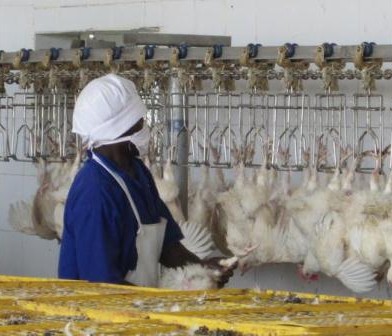
The overall objective is to understand the mechanisms leading to the introduction of pathogens into urban populations through livestock commodity value chains, and their subsequent spread. The focus is on livestock as sources of these pathogens, because emerging diseases are likely to be zoonotic in origin, and livestock pathogens, through the close interactions between livestock, their products and people, are at high of risk crossing the species barrier.

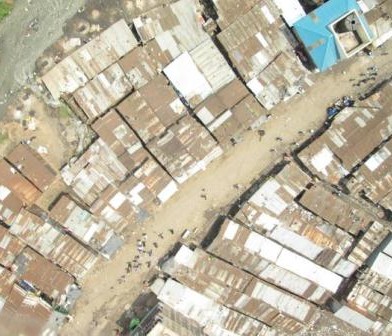
The focus in this project is on Escherichia coli, as an exemplar of many potential emerging pathogens, which exists in a diversity of hosts, in the environment, on food, in waste, etc.  The geographical focus is the city of Nairobi, Kenya, and its hinterlands.  In the microbiology components, the project takes a landscape genetics approach to understanding E. colidistribution and spread, with a view to understanding how this is affected by environmental and socio-economic factors.  The project includes a public health component investigating the etiology of diarrhoea in children in low income settlements, centred on the Korogocho and Viwandani slums, part of the Nairobi Urban Health Demographic Surveillance System.


Research Questions

Our broad set of questions include:

  • Does urban livestock keeping pre-dispose people to acquiring new or more diverse microbial flora?
  • Is the risk compounded by poverty status or other social factors?
  • How is the microbial flora influenced by the keeping of livestock in these areas?
  • Do supply chains for livestock and livestock products bring people into contact with microbial diversity over and above what they would otherwise experience?
  • Why do people source food from particular places? What social and economic factors define food sourcing in a complex city?
  • What influences the microbial flora to which people are exposed through food?
  • How does the design of complex urban environments influence exposure to microbial flora?
  • How has the city of Nairobi grown, how does it continue to grow, and how does urbanization in the region affect exposure to microbial diversity in the human and animal population?
  • What is the role of per-domestic wildlife in transmission of zoonotic pathogens and the transport of microbial flora?
  • Why do supply chains exist in the way that they do, and how might they change as demand for products changes with urban growth, or as a consequence of legislation?

The findings will inform development of policy on urban livestock keeping by improving knowledge of the public health risks and by putting those risks in a wider socio-economic context, including the risks associated with alternative sources of livestock products.

PI and co PI's

Prof. Eric FevreEric Fèvre is a Professor of Veterinary Infectious Diseases, Institute of Infection and Global Health, University of Liverpool with expertise in epidemiology of zoonoses at the livestock human interface. View his profile


Jonathan Rushton is an agricultural economist who specialises in the economics of animal health and livestock production and food systems. He is currently involved in global research on One Health and food systems, and has 25 years of international experience of livestock production and the control of animal diseases in South America, Africa and Asia. View his profile


Dr. Cecilia TakoliCecilia Tacoli is a sociologist with interest in urban-rural linkages, food security, migration and gender. She is the Co-Head, Human Settle-ments Group; Team Leader, Rural-urban Development at IIED. View profile


Dr. Catherine Kyobutungi

Catherine Kyobutungi is a clinician and an epidemiologist. She leads the Health Systems and Challenges Research Program at the APHRC. View profile


Prof. Kangethe

Erastus Kangethe is a Professor of Veterinary Public Health at the University of Nairobi. He is a veterinarian with interests in veterinary public health, meat hygiene, urban livestock and zoon-oses and urban development policy in Kenya. View profile


Dr. Delia GraceDelia Grace is a veterinary epidemiologist and food safety specialist at ILRI. She brings exper-tise in applied veterinary public health, food safety and food chain risk assessments and participatory epidemiology. View profile


Prof. Sam Kariuki

Sam Kariuki is currently the Chief Research Scientist and Head of Department, Centre for Microbiology Research at KEMRI in Nairobi. View profile


Prof. Mark Woolhouse

Mark Woolhouse is a Professor of Infectious Disease Epidemiology at the University of Edinburgh in Scotland. View profile


Prof. Julio Davila

Julio Davila is Professor of Urban Policy & International Development, & Director of the Development Planning Unit, University College London (UCL). View profile


Dr. Tim Robinson

Tim Robinson is a Senior Spatial Analyst at ILRI. He maintains the only comprehensive global resource on sub-national livestock statisitcs. View profile


Opportunities

To learn more about our opportunities, please visit our opportunities page.


?

PI & CO-PI Letters

April 15, 2015The economics thread of the Urban Zoo project began work just over two and half years ago with a visit to Nairobi by Barbara Haesler and Joshua Onono. They returned to London with infor-mation around the complexity of the livestock and meat markets and the different types of animal slaughter. [...]
April 15, 2015The Ebola epidemic currently raging on in West Africa highlights the importance of our urban zoonoses project on the emergence or introduction of zoonotic diseases in urban areas. [...]
April 15, 2015The Planning and Policy Team primarily aims to con-tribute to the Urban Zoo project by tackling the following questions: Are there links be-tween social-environmental and spatial conditions and the micro-bial diversity that people are exposed to in urban and peri-urban areas? What is the planning, economic development and institu-tional context in which zoonotic diseases develop in Nairobi? How is this shaped by social and spatial fragmentation? [...]
April 15, 2015Ongoing work mainly involves the Public Health and Demography thread. In collaboration with APHRC and KEMRI, we are involved in the case control study, in which we are analyzing environmental and food samples. [...]
June 15, 2015Two key objectives of the Urban Zoo project are to explore the genetic diver-sity of Escherichia coli within Nairobi city and to explore the links between microbial diversity and urban livestock. This is at the core of the “99 household” study. Choosing 99 house-holds, within 33 sub-locations in Nairobi, has been challenging. It has also been the subject of heated debate during our Urban Zoo annual meetings. [...]
March 12, 2016The Urban Zoo project is certainly an exciting and challenging ‘beast.’ Funded by the UK Research Council Environmental and Social Ecology of Human Infectious Diseases (ESEI) initiative, we’ve certainly been deeply engaged in building an evidence base that is allowing us to understand the human, natural, wildlife and social environment of the complex and fascinating city of Nairobi. Our teams, each led by specific expertise in different leading academic institutions in Kenya and the UK, have lifted the lid on the complex worlds of livestock production, food supply, human nutrition, diarrhoeal disease, wildlife-human-livestock interfaces, microbial genetics, low income settlement patterns and urban planning. The efforts and energy of the field teams and lab teams in delivering the samples and the data on this project are quite astounding. [...]
October 31, 2016In our work we have also sought to build on the decade-long efforts of APHRC in gathering a rich array of primary information on health in informal settlements. We also found that not much attention has been paid in the literature to the planning, policy and structural issues that would appear to play a significant role in reproducing and entrenching endemic pathogenic environmental conditions, conditions that make disease (including zoonoses) prevalent in these settlements. Part of our work has involved outlining the institutions, actors, norms, practices, interactions, their (in) adequacy and complexities around the provision of infrastructure (water, sanitation and solid waste management) that promotes and perpetuates such pathogenic conditions in many parts of Nairobi. We have also sought to examine how legal, policy and institutional realities have influenced urban and peri-urban land use in Nairobi, and how such practices and interventions help shape livestock keeping and farming activities. [...]

Project Newsletters

Project Policy Briefs

?

Explore more Flagship Projects

Surveillance for Zoonoses in Kenyan Livestock

Project Overview

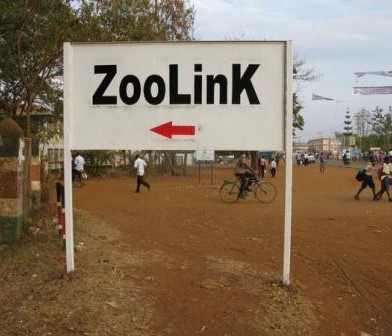
ZELS_imageThe Zoonoses in Livestock in Kenya (ZooLinK) project is our newest activity. The goal of ZooLinK is to enable Kenya to develop an effective surveillance programme for zoonoses (meaning infectious diseases acquired through contact with animals or their products), which is, by design, integrated across both human and animal health sectors. To achieve this goal we will work in close collaboration with Kenyan government departments, working in western Kenya initially and using this as a model for a national programme.
The rationale for ZooLinK is that the presence and burden of zoonoses is greatly underestimated – as we know from our own research in the study region. In one recent but relatively small-scale study, we found 14 different zoonoses circulating in humans and their livestock. While estimating the current zoonotic disease burden is doubtless essential, another major objective is to understand how it will evolve in to the future.  In Kenya, and elsewhere in sub-Saharan Africa, far reaching changes are occurring in the agricultural sector, with major changes in livestock production systems in order to satisfy increased demand for livestock products. The most important changes are the commercialisation and intensification of what was previously subsistence farming, resulting in changes in trading patterns (e.g. the distances that livestock and their products are transported), and changes in favoured breeds and input supply systems. All of these affect the risk of zoonoses and other infectious diseases.
For example, our work has indicated that genes from exotic dairy cattle are ‘leaking’ into local cattle populations and altering susceptibilities to specific infections, and that changes in feed systems for improved livestock breeds may be introducing pressure on local bacterial populations to develop resistance. These issues are complex and understanding them well requires an interdisciplinary research approach. Importantly, disease surveillance is well established in some sectors in Kenya: Kenya already has a structure in place for veterinary surveillance for infectious diseases at livestock markets, slaughterhouses and butcheries and in the wider farming community. Surveillance for human disease also takes place in clinics and hospitals reporting infectious diseases in people. So the systems exist and are manned by trained staff. What is needed, and will be provided by ZooLinK, is increased awareness of zoonoses, better diagnostic support, better ways to record, share, analyse and interpret data, and closer integration between the human and animal health sectors. In order to convince potential funders of the value of a national programme, we need to provide evidence that an enhanced surveillance system can contribute to improving public health in a cost-effective manner. For this reason, during our project we will closely monitor our enhanced system’s performance and compare it to the current situation, identifying which activities do (or do not) provide good value for money.ZooLinK also provides a platform for Kenyan public and animal health workers to get hands-on training (e.g. in diagnostic methods or electronic data systems) and to become familiar with a ‘One Health‘ approach to surveillance. Training is coordinated by Kenyan partners and will generate a cadre of individuals with first-hand experience of this way of working – this should leave a very strong legacy in its own right. In addition to addressing these practical issues, ZooLinK is also providing a unique scientific evidence base which will help us to understand and anticipate changes in zoonotic disease burdens and to recommend effective interventions. This involves detailed study of economic, social, demographic, genetic, and epidemiological drivers and the way that these combine to produce an overall burden of disease and risk of disease outbreaks.


In this context, the unusually comprehensive nature of ZooLinK is a major advantage: there are obvious limitations to studying single diseases or drivers in isolation (e.g. changes that favour one disease may reduce the risk of another; or effects due to changes in one driver may be outweighed by changes in another). The high quality data being collected by ZooLinK, supported by state-of-the-art, diagnostics, genetics, and economic, statistical and mathematical modelling, will allow us to tackle such questions.

Zoonotic diseases to be targeted by ZooLink

Brucellosis, trypanosomiasis, echinococcosis, Rift Valley Fever, anthrax and leptospirosis in all species (humans, pigs, and ruminants), Q fever (Coxiella burnetti) in humans, cattle and small ruminants, T. solium/T. saginata cysticercosis in humans, pigs and cattle, fascioliasis in humans and ruminants and TB in ruminants and humans; Salmonella spp. including AST, E. coli including AST, Campylobacter spp. including AST and Staphylococcus spp. including AST

PI and co PI's

Prof. Eric FevreEric Fèvre is a Professor of Veterinary Infectious Diseases, Institute of Infection and Global Health, University of Liverpool with expertise in epidemiology of zoonoses at the livestock human interface. View his profile


Prof. Kangethe

Erastus Kangethe is a Professor of Veterinary Public Health at the University of Nairobi. He is a veterinarian with interests in veterinary public health, meat hygiene, urban livestock and zoon-oses and urban development policy in Kenya. View profile


Prof. Sam Kariuki

Sam Kariuki is currently the Chief Research Scientist and Head of Department, Centre for Microbiology Research at KEMRI in Nairobi. View profile


Dr. Tim Robinson

Tim Robinson is a Senior Spatial Analyst at ILRI. He maintains the only comprehensive global resource on sub-national livestock statisitcs. View profile


Phi ToyePhil Toye is an Operating Project Leader (Vaccines and Diagnostics) within the Biotechnology Theme at ILRI. View his profile


1.3.2.5 Salome BukachiSalome Bukachi is a research fellow in the Institute of Anthropology and Gender & African Studies, University of Nairobi. View her profile


Prof. Mark Woolhouse

Mark Woolhouse is a Professor of Infectious Disease Epidemiology at the University of Edinburgh in Scotland. View profile


Jonathan Rushton is an agricultural economist who specialises in the economics of animal health and livestock production and food systems. He is currently involved in global research on One Health and food systems, and has 25 years of international experience of livestock production and the control of animal diseases in South America, Africa and Asia. View his profile


Olivier HanotteOliver Hanotte is the Professor of Genetics & Conservation, Faculty of Medicine & Health Sciences, University of Nottingham, and has a long standing interest in the genetics of African livestock species. View his profile


Press release

Learn more about this press release at the BBSRC website and  The University of Liverpool news feed.  You can also view the pdf bronchure featuring the programme by clicking the image below:

ZELS bronchure_image

Collaborators

Zoonotic Disease Unit, Government of Kenya (www.zdukenya.org), Animal Health & Industry Training Institute (AHITI) – Kabete (http://www.ahitikabetecpd.org/), Kestel Technologies (http://ktg-tech.com/) and Diagnostics for All (http://www.dfa.org/)

ZELS_Colaborators_Logos

?

ZDU Roadmap to One Health (click image)

?

Study site location

Study Site in western Kenya

Study Site (Busia)

Zoolink Gallery

?

Explore more Flagship Projects

Pin It on Pinterest