Wildlife Health & Zoonoses Theme

Profile of Theme

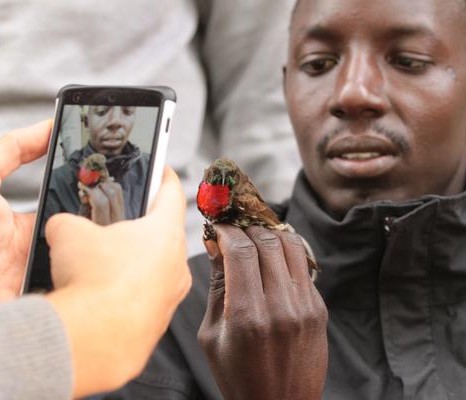
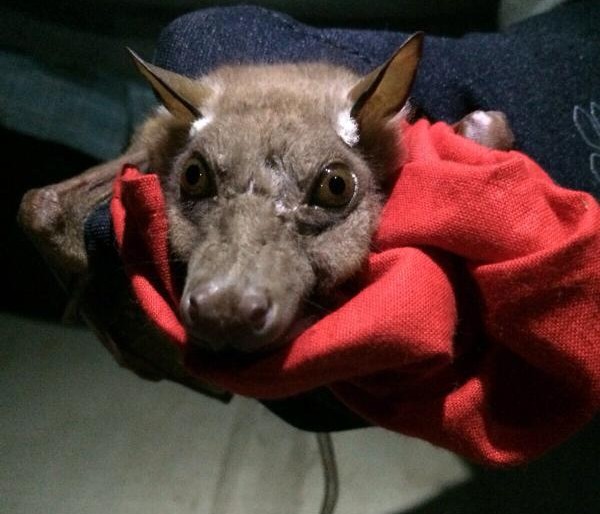
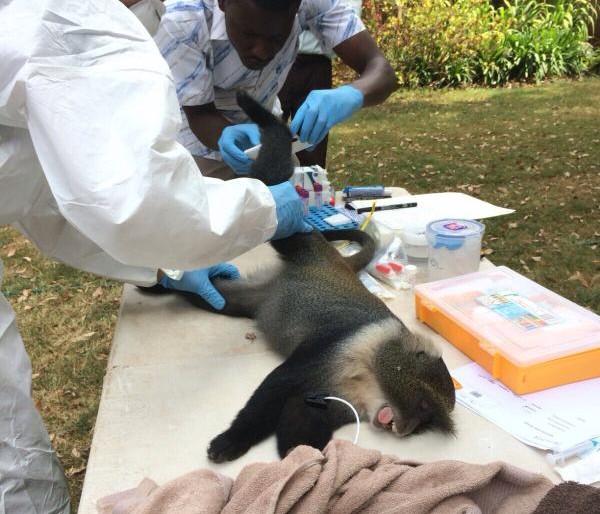
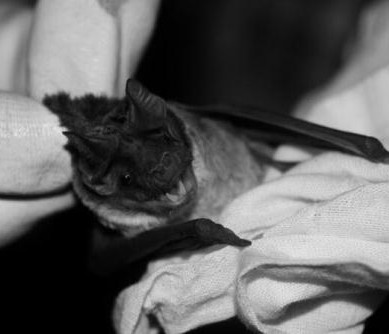
Wildlife is considered the biggest source of emerging pathogens threatening human health. This threat has been highlighted by the emergence of pathogens causing high human mortality such as SARS coronavirus and ebola virus disease.

The recent emergence of these highly pathogenic organisms is related to the changing dynamics between people and wildlife. Changing land use, agricultural intensification, increased population, encroachment of wild spaces, harvesting wildlife for food and the movement of people and animals around the world have changed interactions between people and wild animals.

In order to address these issues we need to:

  • Identify the pathogens and their evolution
  • Identify the host and the host niche and how this is changing
  • Understand the behaviours and practices of people that promote transmission

The next emerging disease is likely to be from a wildlife host therefore increased research to describe pathogens in wildlife reservoirs is required to predict forthcoming threats to human health.

Projects in Theme

?

Explore more Themes
Neglected Zoonoses Theme

Profile of Theme

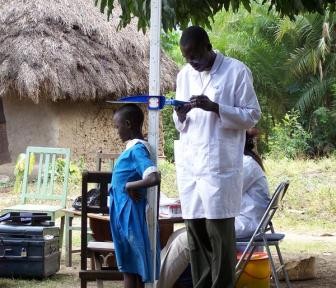
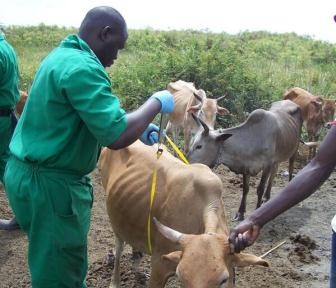
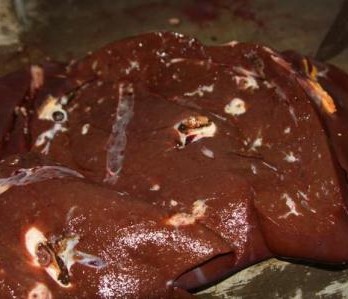
In marginalised communities, zoonotic diseases exert a heavy burden. Often, the burden is not due to the headline grabbing zoonoses about which much is said on the international stage. Rather, the important zoonoses are pathogens that cause a variety of endemic diseases including (but not confined to) brucellosis, bovine TB, Q fever, endemic Rift Valley fever, cysticercosis and zoonotic trypanosomiasis.  

According to the World Health Organization, neglected diseases are those infectious diseases affecting the poorest populations often living in remote, rural areas, urban slums or in conflict zones. They are a symptom of poverty and disadvantage, and the diseases and the populations affected by them have a low profile and status in public health priorities, and suffer from a lack of reliable statistics on their basic epidemiology.

In order to better understand the impact of infectious diseases (including zoonotic diseases), it is essential to understand how and where they affect people.  Over the last 20 years various tools have been developed to quantify both impact on a population and spatial extent of risk; these require sound data on incidence and clinical course.  We are involved in various projects where we are developing additional tools to measure burden and risk and to apply existing tools in a range of settings.  Our work on disease burden involves various projects which fall into two broad categories: field data gathering and population-based assessments for zoonotic diseases/neglected disease mainly in Africa and Asia; methodological developments and application of new methods using existing European datasets.

Projects in Theme

?

Explore more Themes

Environment & Disease Theme

Profile of Theme

The “One Health” paradigm recognises the relationship between the health of people, animals and the environment. In order to tackle One Health issues interdisciplinary research is required to understand the epidemiology of disease in different environments; the social and economic determinants of health; the role of genetics in disease; and the interactions between people, animals and the changing environment.

Enviornement_disease themeHuman, animal and environmental health issues are likely to be exacerbated in the future by globalisation, increasing population, urbanisation, climate change, changing agricultural practices, and agricultural intensification. In order to tackle One Health issues programmes require a focus on:

  • Education of health professionals to recognise, diagnose and treat disease
  • Surveillance of disease in animals and people particularly identifying risk populations
  • Epidemiology research regarding the burden of disease
  • Developing new technologies to diagnose, treat and prevent disease
  • Communication between stakeholders and decision makers to increase awareness
  • Integrated control programmes to reduce disease in people and animals

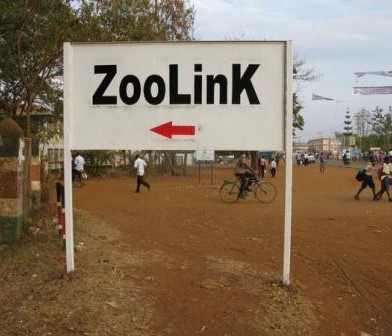
We are involved in a number of projects that investigate the epidemiology of disease in people, animals and the environment. Our recently launched Zoolink project will focus on zoonotic disease surveillance, education of stakeholders and communication to develop effective intervention strategies.

Projects in Theme

?

Explore more Themes
Emerging Zoonoses & Infectious disease Theme

Profile of Theme


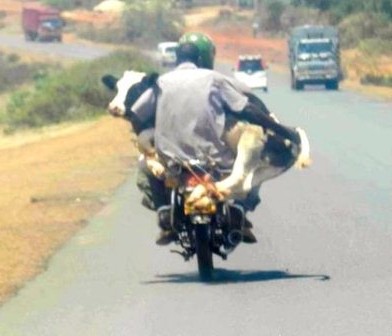
The emergence of infectious diseases is of particular interest at present, with high-profile diseases such as Ebola and MERS Coronavirus causing widespread public concern alongside the potential for societal disruption. Whilst the term ‘emerging’ is commonly used to describe newly evolved or previously undetected diseases, it may also apply to pathogens that are increasing their geographic spread and impact, or moving into human hosts for the first time. The relationship between humans and animals plays an important role in disease emergence; it is estimated that 60 – 80% of newly emerging infections are zoonotic in origin (capable of transmission from animals to humans). Disease emergence is not a new phenomenon, and the changes in disease dynamics that lead to an emergence ‘event’ represent a natural evolutionary response by the pathogen to constantly changing conditions. However, evolutionary pressures brought about by human-induced (anthropogenic) changes on the environment such as urbanisation, are projected to increase the frequency of pathogen emergence in the future.

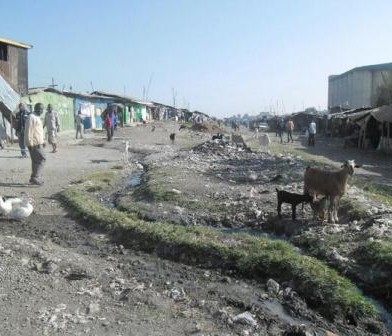
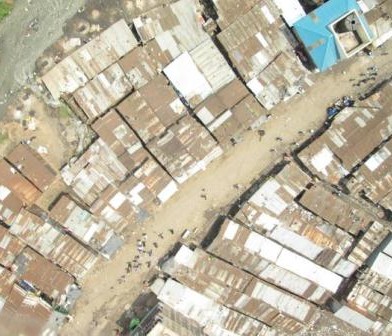
 Urbanisation is predicted to increase most rapidly in developing countries, with huge population increases projected for urban centres in Africa. Without adequate urban planning, fast rates of urban growth are likely to have knock-on effects for healthcare, sanitation and food production, that may affect the dynamics of disease transmission in these areas. Through our research, we aim to investigate the role that varying degrees of urbanisation play in the emergence of new human or livestock pathogens.

Projects in Theme

?

Explore more Themes
Pin It on Pinterest